
Red Dog is one of the uncommon casino card games a total novice can learn in one session without losing a genuine decision point https://lizarocassino.de/. I have examined the game thoroughly, and its structure is unusually clean: two cards establish a range, and a third card settles whether that range applies. For players in Germany, it presents a gentler alternative to blackjack or poker while still rewarding raise discipline. In this guide I describe the table, the spread, the payouts, and the math. I also discuss how the game performs at Lizaro Casino for German players.
What Exactly Is Red Dog and Why It Is Effective
Red Dog is a financial-style card game, but unlike blackjack the player is not trying to beat a dealer hand. The goal is narrower: determine whether a third card will fall between two previously drawn cards. This specific focus is exactly why the game is effective for beginners. There are no hand rankings, no bluffing, and no multi-street decisions. I find the pacing a bit slower than a slot but faster than a full table-game round. German online casino audiences often respond well to this low-complexity game when they desire a calm break from more demanding titles.
Trying Red Dog at Lizaro Casino within Germany
Access and Gameplay Variants
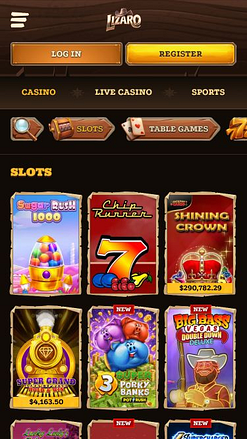
At Lizaro Casino, German players typically find Red Dog within the table games or card games section next to more familiar titles. The platform is tailored for the German market, so limits are usually displayed in euros and the rules are straightforward enough for a first session. The digital presentation aids because the spread and payout are frequently shown automatically, which takes away the need to calculate everything by hand. That does not alter the strategy, but it does make the game easier to learn. The pace is kept controlled by the player rather than a crowded table.
Funds and Session Tips for German Players
German players ought to approach Red Dog with a small portion of a larger casino budget, not as a main profit engine. I advise starting with base bets that allow at least twenty to thirty rounds, so the variance of narrow spreads does not end the session too early. The euro-denominated table limits at Lizaro Casino make this easy to adjust. I also advise setting a time limit, because the fast round structure can obscure the line between a short break and a long session. Red Dog functions best as a focused side game. A short time cap and a fixed loss limit are useful.
Grasping the Gap and Winnings
How the Difference Is Determined
The spread is simply the amount of ranks that lie between the two shown cards. Adjacent cards, such as a nine and a ten, produce a spread of zero and typically result in a push. A three and a six form a gap of two because merely the four and five are positioned between them. Newcomers often neglect to subtract one when calculating; the gap between five and eight is two levels, not three. The spread is the key number because it decides whether a raise is permitted and what a winning third card gives.
Payout Framework for Each Gap
The reward is based on how infrequent the successful event is. A gap of one gives the maximum, often five to one, because merely one rank can succeed. A gap of two typically gives four to one, and a spread of three usually gives two to one. Gaps of four or more typically reward even money. I view these payments as a chance ladder rather than a plain reward table. The broader the gap, the more likely the third card lands inside, so the lower payout is justified. That relationship also explains why a gap of seven or more is the standard threshold for a raise.
Probabilities, House Advantage and the Math Behind Red Dog
Casino Advantage Under Standard Rules
The house edge in Red Dog depends heavily on the payments and on when the player increases the bet correctly. Under common rules, the advantage on the opening bet is moderate for a card table game, but the raise decision shifts the real edge depending on strategy. I treat Red Dog as a activity of moderate variance as opposed to a game with a significant skill advantage. The advantage is not greatly reduced by advanced play, because the decisions are few. Still, increasing bets only on advantageous spreads helps contain losses. For actual play, I focus less on specific edge computations and more on skipping definitely negative raises.
Why Spread Size Governs Expectation
The spread width is the primary driver of anticipated value in a round. A large spread creates a high chance of a successful third card, but the casino offers only even money. A narrow spread offers higher returns, but the likelihood of achieving it is small. I think of each spread as its own bet rather than part of one standard game. That outlook makes the payout table more straightforward to analyze. For a beginner, the most helpful piece of math is basic: high payouts are uncommon, and wide gaps are usual but modest. A seven-gap spread is not thrilling, but it is the type of situation where the probabilities fit with the up-bet.
Errors Beginners Should Avoid
One frequent mistake is handling Red Dog as blackjack and holding out for a powerful hand. In this game the player has no hand, and the only meaningful object is the spread. Another mistake is raising reflexively as soon as a spread appears, notably on small gaps with large payouts. I have seen beginners pursue the five-to-one spread of one and lose several consecutive rounds because there is only one winning rank. The best habit is to detach the excitement of a high payout from the expectation of the raise. That separation is more valuable than remembering every payout percentage.
Another error is ignoring bankroll pacing. Red Dog rounds are fast, and the ease of play can encourage overly frequent bets at the table maximum. I advise setting a fixed number of base bets before starting and maintaining raises small relative to the total session budget. It is also easy to miss count of pushes when playing quickly. A push is not a loss, but it still uses time and can affect your sense of how much you have risked. A calm session rhythm helps avoid that trap. If you observe that your session has become automatic, step away or lower the bet.
Standard Betting Decisions and Raising Timing
Raising Choice
A raise is an extra wager placed after the first two cards have shown a spread. It is normally limited to the size of the original bet, though table rules can vary. I use the raise when the gap is wide enough that the probability of a winning third card is stronger than the payout table suggests. Under standard even-money payouts, that threshold is usually a spread of seven or more ranks. ausführliche Informationen This turns Red Dog from a simple guess into a small decision exercise, but it remains much gentler than blackjack.
When Caution Is Better
Narrow spreads create a more tempting payout but a much lower probability of success. A spread of one pays richly, but only one rank can save the hand. I generally avoid raising on the narrowest spreads unless I am playing a very small session stake and accept the variance. The same logic applies when I see a spread of two with a high payout; the house edge on that decision can be significant. The calmer approach is to raise selectively on wider gaps and otherwise play the original bet. A raise there is closer to a lottery ticket than a measured bet.
How a Round Typically Develops
Distributing the Initial Two Cards

After placing an initial bet, the player observes the dealer put two cards face up. Those two cards determine the rest of the round. If they are a pair, the dealer pulls a third card immediately, and a matching rank usually pays eleven to one while any other card pushes. If they are consecutive, the bet typically pushes and the round ends. If there is a spread of at least one, the player is given a choice: keep the original wager or raise. I find this stage is where the game displays its strategic identity, because the player must assess a narrow probability window before the final card is drawn.
The Final Card and Its Outcome
When a spread exists and the player has placed a raise or declined it, the dealer draws a third card. If that card falls strictly between the first two ranks, the player collects according to the payout table. If it falls outside the range or matches one of the original ranks, the player loses. The third-card moment is quick, which is why Red Dog sessions can move at a steady rhythm. There are no split hands, no doubles after a hit, and no dealer qualification, just one card against a defined range.
The Table Layout and Card Ranks
Reading the Felt
Most Red Dog layouts feature a betting circle before the player, a discard area, and occasionally a payout indicator for the spread. The dealer’s area is minimal because there is no dealer hand to play. I consider this visually clearer than many card games since the action revolves around only three cards. At Lizaro Casino, the digital version typically retains the same structure, with bet controls below the felt and the current spread displayed on screen. The table can use one or more standard 52-card decks, but for beginners rank recognition matters more than deck count.
Important Card Ranks
Card values adhere to standard casino ranking: ace is low in most versions, then two through ten, jack, queen, and king. Suits do not matter, and there is no weighting for color. Only the number of possible ranks between the first two cards matters. For example, a four and a seven offer room for a five or a six. I advise treating all suits as equal and using rank distance as the core language of the game. Red Dog does not reward suit memory. This removes the confusion that beginners sometimes come with them from poker or bridge.
Closing Remarks
Red Dog thrives because it reduces card play down to a clear question: will the third card land between the first two? I consider that straightforwardness attractive for beginners in Germany who want a authentic casino vibe without the complication of blackjack or the sheer randomness of a slot. The game promotes calm raise decisions and punishes reflexive bets on narrow spreads. I recommend learning the spread, checking the payout, and starting with small base bets at Lizaro Casino. Hauptquelle That approach maintains the session controlled and gives the game room to breathe.


